

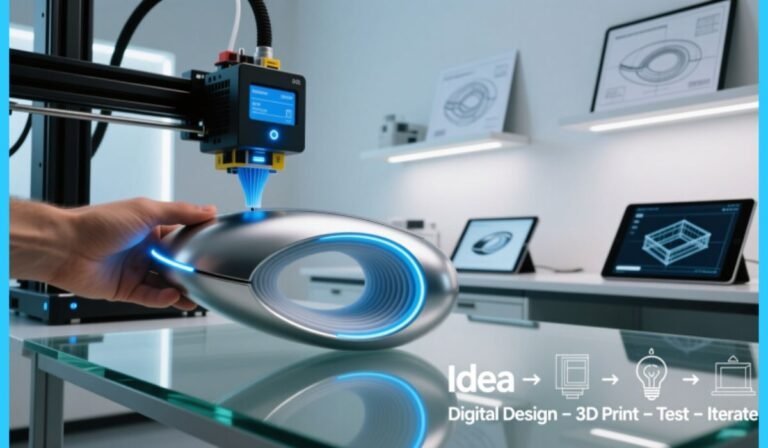
Introduction: What Is Rapid Prototyping?
Rapid Prototyping Is A Game-Changing Approach To Turning Ideas Into Physical Products Quickly And Efficiently. At Its Core, Rapid Prototyping Refers To The Use Of Advanced Manufacturing Technologies To Produce High-Precision Models Of Products From 3D Designs. These Prototypes Are Not Only Visual Representations But Functional Models That Allow Designers, Engineers, And Businesses To Test, Refine, And Perfect Their Concepts Before Committing To Full-Scale Production. In A World Where Speed And Accuracy Are Vital, Rapid Prototyping Has Become A Crucial Tool Across Industries, From Automotive And Aerospace To Robotics And Medical Devices. It Reduces Costs, Saves Time, And Allows Multiple Iterations Of A Design To Be Tested And Improved Without Significant Financial Risk.
Quick Bio Information
Rapid Prototyping Has Evolved Significantly Over The Past Decade. It Allows Designers And Engineers To Turn 3D Concepts Into Physical Models Quickly. CNC Machining, 3D Printing, Injection Molding, Vacuum Casting, And Sheet Metal Fabrication Are Core Methods. Precision Is Critical, With Tolerances Ranging From 0.001mm To 0.05mm. Materials Include Metals, Plastics, And Specialty Compounds. Industries Using Rapid Prototyping Include Automotive, Aerospace, Robotics, Medical Devices, And Oil & Gas. The Process Supports Iterative Design, Functional Testing, And Material Experimentation. Professional Partners Ensure High Quality, Fast Turnaround, And Cost Efficiency. Rapid Prototyping Bridges The Gap Between Concept And Production, Driving Innovation Worldwide.
Why Rapid Prototyping Matters In Modern Product Development
Rapid Prototyping Plays An Essential Role In Modern Product Development By Bridging The Gap Between Concept And Reality. It Allows Companies To Visualize Ideas Tangibly And Test Their Functionality Before Mass Production. Traditional Manufacturing Often Requires Expensive Tooling And Long Lead Times, Which Can Slow Down Innovation. Rapid Prototyping Eliminates These Barriers By Providing Quick, Affordable, And Accurate Models That Help Identify Design Flaws Early. Businesses Can Experiment With Materials, Shapes, And Sizes Without Worrying About Costly Mistakes. For Startups And Large Enterprises Alike, Rapid Prototyping Accelerates Product Launch Cycles, Improves Product Quality, And Helps Companies Stay Competitive In Fast-Moving Markets.
Common Rapid Prototyping Processes
There Are Several Methods Of Rapid Prototyping, Each With Its Own Strengths And Applications. CNC Machining Allows For Extremely Precise Prototypes From Metals And Plastics, With Tolerances As Tight As ±0.001 Millimeters. 3D Printing Offers Incredible Flexibility, With Methods Like Fused Deposition Modeling (FDM), Stereolithography (SLA), And Selective Laser Sintering (SLS) That Can Produce Complex Geometries Without Any Tooling. Rapid Injection Molding Produces Durable Plastic Parts Ideal For Functional Testing, While Vacuum Casting Provides Low-Cost Plastic Prototypes For Small Batches. Sheet Metal Fabrication Creates Metal Parts With Precise Dimensions, And Die Casting Produces Long-Lasting Metal Components With High Accuracy. Understanding These Processes Helps Designers Choose The Best Method For Their Prototype, Balancing Speed, Cost, And Quality.
How To Choose The Right Rapid Prototyping Method
Selecting The Right Rapid Prototyping Method Requires Careful Consideration Of Several Factors. Designers Must Evaluate The Material Requirements, Desired Precision, Volume Of Production, And Budget. For Example, CNC Machining Is Ideal For Metal Prototypes That Require High Accuracy And Mechanical Strength, While 3D Printing Is Perfect For Fast, Cost-Effective Models With Complex Shapes. Injection Molding And Vacuum Casting Are More Suitable For Functional Plastic Parts, Especially When Testing Mechanical Properties. Considering Lead Times And Production Scalability Is Also Critical. Effective Prototype Design Involves Close Collaboration Between Engineers And Manufacturers To Ensure That The Selected Process Meets Project Goals Without Compromising On Quality Or Cost.
Step-By-Step Rapid Prototyping Workflow
The Rapid Prototyping Process Typically Begins With Uploading A 3D Design File, Such As A CAD Model, To A Manufacturing Platform Or Service. Engineers Then Conduct A Design For Manufacturability (DFM) Analysis, Identifying Potential Issues And Offering Recommendations To Optimize The Prototype. Once The Design Is Approved, The Manufacturing Process Begins Using The Selected Rapid Prototyping Method, With Skilled Technicians Monitoring Quality Throughout Production. Finally, The Prototype Is Delivered To The Client, Often With A Detailed Inspection Report Ensuring Accuracy And Quality. This Seamless Workflow Ensures That Prototypes Are Produced Quickly, Accurately, And Ready For Testing Or Further Iteration.
Advantages Of Rapid Prototyping For Businesses
Rapid Prototyping Offers Numerous Benefits That Make It Indispensable In Product Development. It Significantly Reduces Costs By Allowing Designers To Test And Refine Concepts Before Investing In Expensive Tooling. It Saves Time By Producing Models In Days Rather Than Weeks Or Months. Rapid Prototyping Supports Iterative Development, Letting Teams Explore Multiple Versions Of A Product And Optimize Design Features. Additionally, It Helps Businesses Test Materials, Colors, Textures, And Mechanical Properties Without Committing To Full Production. The Result Is Higher-Quality Products, Reduced Risk Of Failure, And Increased Confidence In Launching New Designs.
Precision, Tolerances, And Quality In Rapid Prototyping
Accuracy And Precision Are Fundamental To Rapid Prototyping. Different Methods Offer Varying Levels Of Tolerance, With CNC Machining And Die Casting Achieving Tolerances Down To 0.001 Millimeters. Injection Molding Typically Provides ±0.005 Millimeters, While 3D Printing Can Achieve ±0.01 Millimeters. Maintaining High Standards Of Quality Ensures That Prototypes Are Functional, Reliable, And Ready For Testing. Manufacturers Often Use Detailed Inspection Processes, Including Dimensional Verification And Surface Finish Assessment, To Guarantee That Every Prototype Meets Specifications. This Precision Is Essential For Functional Parts That Will Serve As The Basis For Mass Production.
Materials Used In Rapid Prototyping
Rapid Prototyping Supports A Wide Variety Of Materials, Enabling Designers To Test Functionality And Aesthetics Simultaneously. Metals Such As Aluminum, Stainless Steel, And Copper Are Common For High-Strength Parts. Plastics Include ABS, PLA, Polycarbonate, And Various Resins, Each Offering Different Mechanical Properties. Specialty Materials Are Also Available For Specific Functional Requirements, Such As Heat Resistance Or Electrical Conductivity. Choosing The Right Material Is Crucial For Accurate Testing And Ensuring That The Prototype Represents The Final Product. Manufacturers Often Provide Guidance On Material Selection To Balance Cost, Performance, And Manufacturability.
Real-World Applications Across Industries
Rapid Prototyping Has Found Applications In Almost Every Industry. In Automotive, It Is Used To Create Functional Parts And Test Assemblies. Aerospace Relies On High-Precision Components That Require Rigorous Testing. Medical Device Companies Use Rapid Prototyping To Develop Instruments, Equipment, And Regulatory-Ready Models. Robotics And Automation Industries Benefit From Custom Functional Parts That Support Continuous Innovation. Even Oil And Gas Companies Utilize Rapid Prototyping For Durable, High-Precision Components. These Diverse Applications Highlight The Versatility And Importance Of Rapid Prototyping In Driving Innovation And Efficiency.
Common Challenges In Rapid Prototyping And How To Overcome Them
Despite Its Advantages, Rapid Prototyping Comes With Challenges. Complex Designs May Require Iterative Adjustments, Material Limitations Can Affect Functionality, And Tight Deadlines May Strain Resources. Cost Management Is Another Consideration, Especially For High-Precision Metal Prototypes. Overcoming These Challenges Requires Collaboration Between Designers, Engineers, And Manufacturers, Careful Planning, And Strategic Method Selection. Advanced Manufacturing Technologies And Skilled Technicians Ensure That Even Complex Prototypes Can Be Produced Accurately And Within Schedule, Making Rapid Prototyping Both Reliable And Efficient.
Choosing The Right Rapid Prototyping Partner
Selecting A Competent Rapid Prototyping Partner Is Critical To Achieving Success. Companies Should Look For Experienced Manufacturers With Proven Capabilities, ISO Certifications, And Advanced Equipment. The Right Partner Provides Guidance On Material Selection, Process Optimization, And Design Improvement, Ensuring That Prototypes Are Delivered On Time And Meet Quality Standards. Strong Communication, Transparent Pricing, And Reliable Delivery Are Essential Factors. Working With A Professional Service Accelerates Product Development, Reduces Risk, And Ensures That Ideas Are Transformed Into Functional Prototypes Efficiently.
Final Thoughts
Rapid Prototyping Has Transformed The Way Products Are Developed Across Industries. By Combining Speed, Precision, And Flexibility, It Empowers Designers And Engineers To Test, Refine, And Perfect Their Ideas Before Committing To Full Production. With The Right Materials, Methods, And Partners, Rapid Prototyping Reduces Costs, Saves Time, And Encourages Innovation. Whether You Are A Startup Exploring New Concepts Or An Established Enterprise Launching Advanced Products, Embracing Rapid Prototyping Can Make The Difference Between A Good Idea And A Market-Ready Success. It Truly Represents The Future Of Efficient, Cost-Effective, And Insightful Product Development.
FAQs About Rapid Prototyping
When Do I Need Rapid Prototypes?
Rapid Prototypes Are Essential When You Need To Test Design Functionality, Material Properties, Or Assembly Fit Before Mass Production. They Are Valuable For Concept Visualization, Early Testing, And Iterative Design Improvement.
What Is The Fastest Rapid Prototyping Method?
3D Printing Typically Offers The Fastest Turnaround Since It Requires No Tooling And Can Produce Complex Geometries Directly From CAD Files Within Days.
Is Rapid Prototyping Different From 3D Printing?
Yes. While 3D Printing Is A Common Rapid Prototyping Method, The Term Rapid Prototyping Also Includes CNC Machining, Injection Molding, Vacuum Casting, And Other Manufacturing Techniques That Produce Functional Models Quickly.
What Materials Can Be Used For Rapid Prototyping?
Prototyping Materials Include Metals Like Aluminum And Stainless Steel, Plastics Such As ABS, PLA, And Polycarbonate, And Specialized Compounds For Specific Functional Requirements.
How Accurate Are Rapid Prototypes?
Accuracy Varies By Method, With CNC Machining And Die Casting Achieving ±0.001mm, Injection Molding ±0.005mm, And 3D Printing ±0.01mm. Quality Checks Ensure Prototypes Meet Design Specifications.
How Does Rapid Prototyping Save Costs?
It Minimizes Expensive Tooling, Reduces Material Waste, Allows Early Detection Of Design Flaws, And Enables Iterative Testing Without Full-Scale Production Costs.
Can Rapid Prototyping Be Used For Mass Production?
While Primarily For Prototypes, Some Methods Like CNC Machining, Injection Molding, And Sheet Metal Fabrication Can Transition To Low-Volume Production, And With Planning, Even Medium-Scale Production Runs.
People Also Read: What Really Happened In The Palisades Fire? A Simple, Clear Breakdown
