

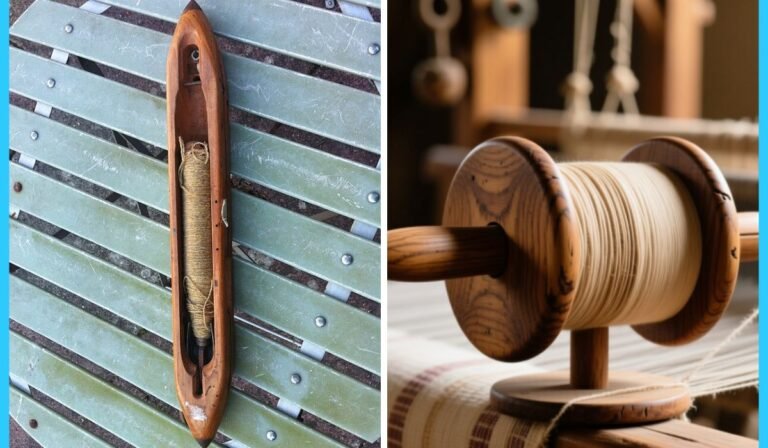
A Pirn may look like a simple rod, but in the world of weaving, it plays a surprisingly important role. Whether used on traditional handlooms or modern power looms, the Pirn helps keep weaving smooth, fast, and efficient. It holds the weft thread in a way that allows the shuttle to release yarn without tangles or interruptions. Even though weaving technology has changed over the centuries, the Pirn remains a reliable tool that keeps fabric production running with ease. Understanding what a Pirn is, how it works, and why it matters helps beginners and experienced weavers appreciate the quiet strength behind every finished textile.
Quick Bio Information
Pirn Shape: Tapered Body
Pirn Function: Holds Weft Thread
Thread Delivery: End-Release System
Material Types: Wood, Plastic, Metal
Common Use: End-Delivery Shuttles
Winding Direction: Base To Tip
Key Benefit: Smooth Thread Flow
Used In: Handlooms And Power Looms
Shuttle Fit: Secured At The Base
Historic Role: Essential For Flying Shuttle
Modern Feature: Automatic Pirn Changing
Pirn Vs Bobbin
One of the first things people often wonder is how a Pirn differs from a Bobbin. Although they both hold thread, they are designed for very different tasks. A Bobbin rotates during use and releases thread from its center, which is ideal for sewing machines and other rotational systems. A Pirn, however, remains fixed in place and releases thread from its tip. This single difference changes the way the shuttle moves and how the thread behaves during weaving. A Pirn’s design ensures that thread flows smoothly as the shuttle passes back and forth across the loom, making it perfectly suited for end-delivery shuttles. Understanding this contrast helps weavers choose the right tool for their loom and get better results with less frustration.
How A Pirn Works
The way a Pirn works is both simple and clever. A Pirn is placed inside the shuttle, where it stays completely still as the fabric is woven. The weft thread unwinds from the narrow front end of the Pirn, allowing it to feed into the fabric with minimal resistance. Because the thread releases off the end, there is no need for rotation, which prevents snags and uneven delivery. This end-delivery method supports high-speed weaving and keeps the thread organized throughout the process. Whether the loom is powered by hand or machine, the Pirn ensures the shuttle can maintain a consistent rhythm, helping the final fabric stay uniform and clean.
Anatomy Of A Pirn
A Pirn’s shape is carefully designed to support efficient weaving. Most Pirns are slightly tapered, with a gentle narrowing toward the tip. The base is flared more sharply, allowing it to attach securely to the pin inside the shuttle. This shape is not accidental; the taper helps thread unwind smoothly without bunching, while the wider base prevents the Pirn from shifting during use. Pirns are commonly made from wood or plastic, and in some advanced setups, lightweight metals may be used. These materials ensure durability and stability, especially during long weaving sessions or fast industrial production. Every part of the Pirn contributes to consistent thread flow.
How Pirns Are Wound
Winding a Pirn correctly is essential for effective weaving. Unlike Bobbins, which may be wound evenly from end to end, Pirns must be wound starting from the base and moving forward toward the tip. This direction ensures that the thread layers stack properly and release without catching. If wound in the opposite direction, the thread can loosen unexpectedly, causing breaks or tangles during weaving. Proper winding also helps maintain steady tension, which is important for creating smooth, even fabric. Whether wound by hand or with a mechanical winder, the goal is always the same: secure, tight layers that support uninterrupted thread delivery.
Types Of Pirns
Different looms and weaving styles require different types of Pirns. The standard Pirn is designed for manual shuttle work and is often used in traditional weaving. Larger Pirns exist for heavy industrial machines, and some modern automatic looms use specially shaped Pirns that fit built-in changing systems. Certain weaving styles, especially those working with delicate fibers, may use Pirns with softer materials or fine surface textures to protect the thread. While the basic function stays the same, the shape, size, and material can vary depending on the purpose. Knowing which Pirn suits a particular loom helps ensure better performance and better-finished fabric.
The Role Of Pirns In The Flying Shuttle
The importance of the Pirn became even more significant with the invention of the Flying Shuttle in the 18th century. This innovation allowed weavers to produce fabric faster and more efficiently by sending the shuttle sliding rapidly across the loom. The Pirn was the perfect partner for this new technology. Its fixed design and end-delivery method made it ideal for the swift motion of the Flying Shuttle, reducing thread breakage and keeping weaving consistent. This combination of tools helped transform textile production and contributed to large-scale manufacturing. Even today, the Pirn continues to support the same fundamental process introduced centuries ago.
Pirns In Modern Power Looms
Modern power looms have taken Pirn use to a new level. Today’s machines often include automatic Pirn-changing systems that detect when the thread is nearly empty. The system removes the spent Pirn and replaces it with a fresh one in seconds, allowing weaving to continue without stopping. This automation helps factories produce fabric around the clock while maintaining high quality. Even with advanced technology, the basic Pirn design remains similar to its historic version. The combination of simple mechanics and modern machinery shows the Pirn’s lasting value in textile production.
Common Materials Used To Make Pirns
While wooden Pirns remain popular for their lightweight and natural feel, modern weaving often relies on plastic or metal Pirns for durability. Plastic Pirns are smooth, affordable, and resistant to moisture, making them ideal for humid environments or heavy use. Metal Pirns, used more often in industrial settings, offer exceptional stability and lifespan. Every material affects thread friction, balance, and performance slightly differently. Choosing the right material depends on the loom type, the thread being used, and the intended speed of weaving. Regardless of material, the Pirn must maintain a secure shape to ensure consistent thread delivery.
Benefits Of Using Pirns
The biggest benefit of using a Pirn is its smooth, continuous thread release. Because the Pirn stays fixed while the thread unwinds from the tip, the weft feeds into the fabric evenly and reliably. This prevents tangling and makes weaving more efficient, especially in high-speed or long-running environments. Pirns also allow looms to maintain a steady rhythm, which helps create high-quality fabric with fewer imperfections. Their simple design makes them easy to load, replace, and maintain. Whether part of a traditional weaving setup or a modern automated system, Pirns provide the reliability needed for beautiful, consistent textiles.
When To Use A Pirn
A Pirn is essential for any loom that uses an end-delivery shuttle. This includes many handlooms and most power looms designed for quick, continuous weaving. Hobbyists who work with traditional shuttles will find Pirns especially useful for precise, smooth weaving. Textile mills rely on Pirns to support large-scale production without constant supervision. Whether used for cotton, wool, silk, or synthetic fibers, the Pirn offers excellent thread control. Understanding when and how to use a Pirn helps weavers avoid disruptions and achieve better overall results.
Conclusion
The Pirn may seem like a small tool, but it plays a major role in weaving. Its simple, reliable design supports smooth thread delivery, making it essential for both traditional and modern textile work. From its contribution to the flying shuttle to its importance in automated looms, the Pirn continues to shape how fabric is produced. Understanding how a Pirn works, how it is wound, and why it remains relevant helps weavers at every level appreciate the craftsmanship behind every woven piece. With the right knowledge, anyone can use a Pirn to achieve cleaner, faster, and more satisfying weaving results.
FAQs About Pirn
What Is The Main Purpose Of A Pirn?
A Pirn holds the weft thread and releases it smoothly from the tip during weaving. Its fixed design helps maintain consistency and prevents tangles while the shuttle moves across the loom.
How Does A Pirn Differ From A Bobbin?
A Bobbin rotates and delivers thread from its center, while a Pirn stays fixed and releases thread from its end. This difference affects how the thread flows and which types of looms each tool is suited for.
Why Must A Pirn Be Wound From Base To Tip?
Winding from base to tip ensures the thread unwinds smoothly and stays secure during weaving. This method prevents snagging and helps maintain even tension.
What Materials Are Best For Pirns?
Wood is popular for hand weaving, while plastic and metal are commonly used in industrial settings due to their durability and stability.
Can Pirns Be Reused?
Yes, Pirns can be reused many times as long as they remain in good condition. Proper care and storage help extend their lifespan.
Why Are Pirns Important In Power Looms?
Power looms use Pirns because they support high-speed weaving and are compatible with automatic Pirn-changing systems. This helps factories maintain continuous production.
Are Pirns Still Used Today?
Yes, Pirns remain widely used in 2025 across many weaving industries. Their reliable thread-delivery system works well with both traditional and modern weaving methods.
People Also Read: eBay Shopping Made Simple: Tips for Finding Great Deals
