

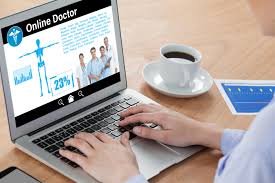
People rely on the internet for almost everything now — especially when it comes to health. A small headache, a strange symptom, or a confusing medical term is enough for anyone to start searching online. It’s quick, it feels convenient, and it seems harmless. But the online world is full of mixed messages, half-truths, and content that looks trustworthy but delivers the opposite.
Finding accurate health information has become a real challenge, and that’s exactly why credible, research-based platforms matter so much today. One example is this trusted health education resource, known for clear explanations, evidence-informed content, and patient-friendly guidance that doesn’t overwhelm you.
The need for reliable health education isn’t just increasing — it’s becoming essential for public safety.
The Problem: Online Health Misinformation Is Growing Faster Than Real Knowledge
The internet has no gatekeepers. Anyone can publish anything, even without medical training. A dramatic title can go viral in minutes, while a well-researched article struggles to be seen.
People get caught between exaggerated risks and oversimplified solutions. One website says your symptoms indicate something serious, while another claims it’s nothing. This confusion creates anxiety, delays treatment, and sometimes encourages unsafe home remedies.
I’ve seen people feel worse because of online information, not better. That’s the danger — and it’s more common than most realize.
Why Credible Health Information Matters So Much
Reliable health content does something simple yet powerful: it guides you with clarity. It doesn’t pressure you or complicate everything. It helps you understand your symptoms, your body, and your next steps without causing panic.
A trustworthy health platform focuses on accuracy, not hype. It explains medical terms in a way normal people can understand. It encourages you to recognize warning signs, but it doesn’t make you fear everything. And it uses research instead of guesswork.
When information is clear and backed by science, people feel safer. They make better choices. They visit doctors at the right time. They avoid harmful advice. That’s the impact of good health education.
What Makes a Health Website Worth Trusting
A reliable health platform doesn’t need to look complicated. It needs to be consistent, readable, and grounded in medical understanding.
When content feels human, readers trust it. When explanations feel balanced, readers follow them. When information stays neutral and factual, readers come back to it.
Trust builds through clarity, not confusion.
How Accurate Health Information Helps You in Real Life
Good health education isn’t just knowledge — it’s protection. It helps you make decisions with a clear mind. It prevents unnecessary fear. It teaches you how to understand your symptoms before you rush into panic or dismiss something important.
It can save you time, protect your health, and reduce emotional stress. And it gives you a sense of control over your wellbeing, something most people desperately need in today’s noisy digital world.
How Human-Like Health Content Built on Real Insight Makes a Difference
When health information feels cold or robotic, people disconnect. But when it feels like a real conversation — something warm, simple, and direct — people learn better.
Health education should sound like guidance from someone who genuinely wants to help you, not someone trying to impress you with technical language. That’s how learning happens. That’s how health awareness improves.
The Future of Health Education Is Changing Fast
Most people no longer depend solely on doctors to learn about their health. They search online first. This makes digital health education more important than ever.
The future will focus more on:
- Patient-friendly health explanations
- Mental health awareness
- Simplified symptom education
- Research-backed wellness guidance
- Professional health writers with real expertise
People want clarity, not confusion. They want information that feels safe and trustworthy. And they want it in a format that speaks to them, not at them.
FAQs
- Why is accurate online health information so important now?
Because people rely on digital sources more than any other form of education. Wrong information spreads fast, and it directly affects how people treat symptoms, manage stress, and decide when to seek medical help.
- How can I tell if a health website is trustworthy?
Look for clear explanations, calm tone, research-based points, and consistency. Avoid websites that push miracle cures, use scare tactics, or promote dangerous home remedies.
- Is it safe to google my symptoms?
Yes — but only if you rely on credible platforms. Random blogs often exaggerate risks or oversimplify complex issues. Trusted educational resources help you understand your symptoms without creating unnecessary fear.
- Can online health information replace a doctor?
Not at all. Online content helps you learn and understand, but it’s not a diagnosis. It guides you, not replaces professional care.
- Are wellness topics also part of reliable health education?
Absolutely. Stress, sleep, diet, emotional wellbeing, movement, and daily habits all influence your health. A real health platform includes all of these topics because they’re connected.
- Why do fake health claims spread faster than real ones?
Dramatic or emotional claims get more attention. People share shocking content instantly, while accurate information takes more effort to verify and understand.
