

Introduction: The New Frontier Of Retail Convenience
The world of retail is changing faster than ever before. Over the past decade, consumers have grown to expect everything at their fingertips—speed, variety, and convenience. In response, many major retailers are exploring new ways to expand their reach and strengthen their connection with customers. One of the most surprising and successful developments has been the rise of retailers entering fuel business.
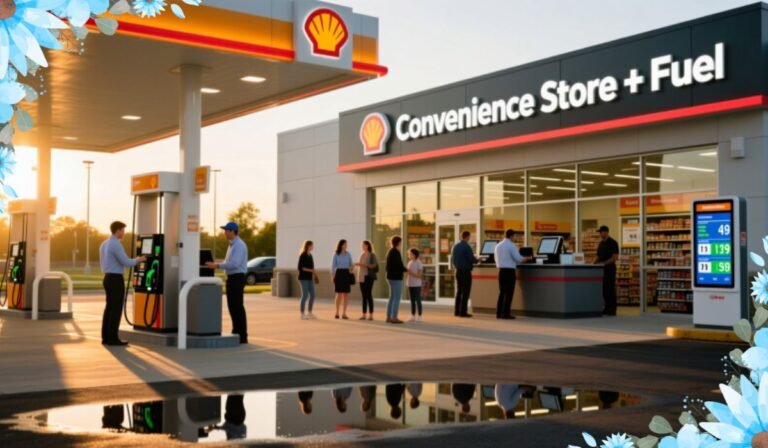
This trend is transforming how we think about shopping and mobility. Retailers that once focused only on groceries, electronics, or household goods are now adding fuel stations to their operations. This shift is not just about selling gasoline—it’s about creating complete convenience destinations where customers can refuel their cars, grab a coffee, shop for essentials, and even charge their electric vehicles. It marks the next evolution in modern commerce, combining retail and energy under one roof to deliver a seamless experience for busy consumers.
Quick Bio Information
Walmart – Partnered with Murphy USA for discounted fuel programs.
Costco – Offers exclusive member-only fuel stations with lower prices.
7-Eleven – Operates integrated fuel and retail outlets worldwide.
Amazon – Investing in EV charging and sustainable energy projects.
Tesco – Combines grocery and fuel retailing in the UK.
Target – Exploring fuel partnerships to enhance customer convenience.
Shell – Expanding EV charging networks and renewable fuel solutions.
BP – Investing in mobility hubs and digital energy platforms.
Carrefour – Offers combined shopping and fueling across Europe.
Murphy USA – Key partner for retail-branded fuel distribution.
Circle K – Operating fuel and convenience stores globally with tech-driven models.
Why Retailers Are Entering The Fuel Business
Retailers are embracing the fuel business for both practical and strategic reasons. Traditional retail margins, especially in groceries and consumer goods, have become thinner due to growing competition and rising operational costs. By adding fuel to their offerings, retailers gain access to a steady revenue stream that brings in consistent daily traffic.
Fuel is a product that people need regularly, which means it can draw customers to the store more often. Once there, shoppers are more likely to make additional purchases, whether it’s snacks, drinks, or household supplies. Beyond financial benefits, this move also strengthens customer loyalty. Many retailers now link fuel rewards to shopping programs, giving customers discounts or cashback on every liter they buy. It’s a win-win: customers save money, and retailers gain repeat visits and stronger relationships.
The Evolution Of Fuel And Retail
The connection between fuel and retail is not new, but it’s evolving rapidly. In the past, gas stations were simple stops for refueling and maybe buying a soda or a candy bar. Today, the lines between fuel retail and convenience shopping are disappearing. Modern fuel stations are becoming lifestyle hubs that cater to on-the-go consumers.
These new-age stations often include coffee shops, mini supermarkets, parcel pickup services, and even coworking spaces in some markets. Retailers are recognizing that customers want to save time, and combining multiple services in one location is the most efficient way to meet that need. The result is a powerful hybrid model where fueling, shopping, and dining coexist to redefine what convenience means in 2025.
Major Retail Players Leading The Charge
Several major retail giants have already proven the power of integrating fuel into their operations. Walmart has teamed up with Murphy USA to build fuel stations next to its supercenters, offering discounts to Walmart+ and Murphy Drive members. This partnership has helped increase both in-store traffic and customer loyalty.
Costco, on the other hand, has made its fuel stations an exclusive benefit for members. The company’s competitive fuel pricing not only saves customers money but also encourages them to renew or upgrade their memberships each year. 7-Eleven has long been a leader in combining retail and fuel, with thousands of locations worldwide offering 24/7 convenience and an expanding network of EV charging stations.
Even Amazon is preparing to enter the energy space by investing in electric vehicle charging infrastructure and exploring renewable energy partnerships. Meanwhile, international retailers like Tesco and Carrefour continue to operate successful fuel divisions, offering integrated shopping experiences that keep customers coming back. These examples prove that the combination of fuel and retail is not a passing trend—it’s a profitable long-term strategy.
The Benefits Of Combining Retail And Fuel Services
The benefits of retailers entering the fuel business go beyond financial gains. The most immediate advantage is increased foot traffic. Fuel stations bring in a steady stream of customers every day, many of whom make impulse purchases once inside the store.
Retailers also enjoy enhanced brand visibility. A fuel station displaying a well-known retail name serves as a constant roadside advertisement, reminding travelers of the brand’s presence. Another major advantage is customer retention through loyalty programs. Integrated reward systems that connect in-store and fuel purchases create a more unified and engaging shopping experience.
Finally, the combination allows retailers to gather valuable data on consumer behavior, helping them predict shopping trends, optimize promotions, and tailor products to local demand. This data-driven approach strengthens decision-making and gives retailers an edge in a competitive market.
Challenges Retailers Face In The Fuel Business
Despite its advantages, the fuel business comes with challenges that require strategic planning and substantial investment. Setting up fuel infrastructure is costly, involving land acquisition, environmental compliance, and safety measures. Retailers must navigate complex regulations and manage issues like storage, transportation, and emissions.
Profit margins on fuel itself are typically thin, meaning retailers depend on cross-sales—such as snacks, beverages, or car accessories—to boost overall profitability. Moreover, the growing popularity of electric vehicles presents a long-term challenge for gasoline demand. To stay relevant, retailers must begin investing in EV charging infrastructure and renewable energy solutions. Those who fail to adapt risk losing relevance as the global energy landscape evolves.
The Role Of Technology In Modern Fuel Retail
Technology has become the backbone of the modern fuel retail experience. Digital payments, mobile apps, and QR-based systems have made purchasing fuel faster and easier. Many retailers now offer contactless transactions integrated with loyalty programs, allowing customers to earn rewards instantly.
The Internet of Things (IoT) also plays a significant role in managing fuel operations efficiently. Smart systems monitor fuel levels, detect leaks, and optimize maintenance schedules to reduce downtime. Artificial intelligence (AI) and data analytics help retailers understand consumer behavior, predict demand, and create personalized offers.
These innovations not only improve operational efficiency but also enhance customer satisfaction. In 2025 and beyond, the retailers that succeed will be those that fully integrate technology into their fuel and retail ecosystems.
Sustainability And The Shift Toward Alternative Energy
As the world focuses more on sustainability, retailers entering the fuel business are adapting by embracing cleaner energy sources. Many are installing electric vehicle charging stations at their locations, recognizing the growing demand for EV infrastructure. Retailers such as Walmart and Shell have already announced large-scale investments in EV charging networks to serve the next generation of drivers.
Beyond electricity, alternative fuels like biofuels, hydrogen, and renewable diesel are gaining attention. These options reduce carbon emissions and help retailers align with global sustainability goals. Adopting greener energy solutions not only improves public image but also attracts eco-conscious consumers who prefer brands with environmental responsibility. Sustainability is no longer optional—it’s a vital component of staying competitive in the future of retail energy.
Case Study: How 7-Eleven Transformed Convenience Retail
One of the best examples of success in this space is 7-Eleven. The company pioneered the concept of combining fuel, retail, and convenience under one brand. With over 80,000 locations worldwide, 7-Eleven has built a powerful model that others continue to follow.
Its stores are designed for speed and simplicity, allowing customers to refuel, grab a snack, pay bills, and even pick up online orders in one stop. The 7Rewards digital loyalty program integrates fuel and retail purchases, making it easy for customers to earn and redeem points across services. The company is also investing heavily in EV charging infrastructure, positioning itself as a future-ready convenience brand that blends retail, energy, and technology.
The Future Of Retailers In The Fuel Business
The next stage for retailers in the fuel industry is the evolution toward “mobility hubs.” These will be multifunctional spaces where people can refuel, recharge, shop, dine, and relax. The integration of AI, automation, and renewable energy will make these hubs smarter and more efficient.
Retailers will increasingly form partnerships with energy providers, technology firms, and logistics companies to expand their infrastructure and capabilities. Those who adapt early will enjoy a significant competitive advantage, while others risk being left behind. The future of retail fuel is not about selling gasoline—it’s about providing complete mobility and convenience solutions that meet the modern consumer’s lifestyle.
Conclusion: The Road Ahead For Retail-Fuel Integration
The rise of retailers entering the fuel business is redefining the meaning of convenience. It represents a broader transformation in how consumers interact with brands, how energy is consumed, and how retail spaces operate. By blending shopping, fueling, and digital engagement into one seamless experience, retailers are building ecosystems that go far beyond traditional commerce.
In the years ahead, success will belong to those who think beyond the pump—those who invest in technology, sustainability, and customer experience. The fusion of retail and energy is not just a business strategy; it’s the next big shift that will shape the future of global commerce.
FAQs About Retailers Entering The Fuel Business
Why Are Retailers Entering The Fuel Business?
Retailers are joining the fuel sector to diversify revenue, increase customer visits, and strengthen loyalty through convenience-based offerings. It helps them stay competitive and relevant in a fast-changing market.
How Does The Fuel Business Benefit Retailers?
Fuel stations attract regular traffic, creating cross-selling opportunities for retail goods. They also enhance brand visibility and enable retailers to build stronger loyalty programs.
Which Retailers Are Leading The Fuel Market?
Major players include Walmart, Costco, 7-Eleven, Tesco, and Carrefour, with Amazon exploring entry into EV and energy infrastructure.
What Challenges Do Retailers Face In The Fuel Business?
High startup costs, strict regulations, and evolving fuel demand due to electric vehicles are key challenges. Retailers must invest strategically to overcome these barriers.
How Is Technology Changing Fuel Retailing?
Digital payments, mobile apps, IoT systems, and AI-driven analytics are transforming how customers buy fuel and how retailers manage operations.
Are Retailers Investing In Electric Vehicle Charging?
Yes, many retailers are adding EV charging stations to prepare for the future of transportation and meet sustainability goals.
What Is The Future Of Retailers Entering The Fuel Business?
The future lies in mobility hubs that combine fueling, EV charging, retail shopping, and digital experiences—all focused on customer convenience and sustainability.
People Also Read: Amazon Business Login: How To Access And Manage Your Account Easily
