

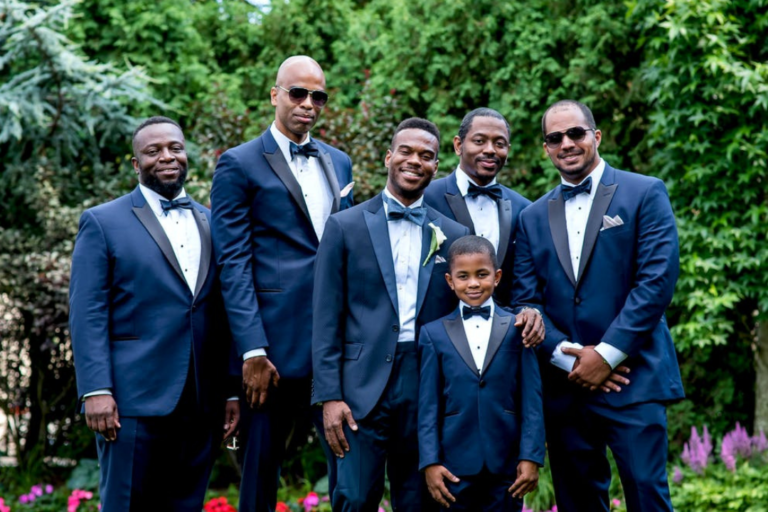
A suit that looks right in a city hotel may feel out of place in a field-side marquee. Before choosing colours or accessories, write down the venue, ceremony time, season and stated dress code. These details narrow the options quickly. A formal evening reception supports darker, smoother tailoring, while a daytime barn wedding leaves room for texture, checks and warmer colours.
Visit the venue’s website or photographs if you have not seen it in person. Note whether most of the day will be indoors, whether paths are paved and how the rooms are lit. This is practical rather than decorative planning. Heavy cloth can become uncomfortable in a glasshouse, and thin leather soles are a poor match for wet lawns.
Matching Wedding suits to the setting
When comparing wedding suits, use the venue as a filter rather than choosing the first appealing photograph. TruClothing offers plain, checked, tweed and three-piece options in a broad colour range. For a grand hotel or traditional ceremony, navy, charcoal and refined checks provide a formal base. Country houses and barns can accommodate herringbone, tweed and earthy shades such as brown, tan or green.
Coastal and garden weddings often work with lighter blue, grey or beige, subject to the season and dress code. Pale tailoring shows marks more readily, so consider travel, seating and weather. The right suit should still look good after the ceremony, photographs and several hours of wear.
City venues call for clean lines
Registry offices, restaurants and city hotels tend to suit smooth cloths and a tidy silhouette. A navy or mid-grey three-piece is easy to distinguish through the waistcoat, tie and boutonniere without becoming theatrical. Double-breasted tailoring can also work well in an architectural urban setting, especially with a plain shirt and restrained accessories.
Black is formal but can appear severe during the day, depending on the styling. Midnight blue or charcoal often gives similar depth with more flexibility. Polished black shoes reinforce formality, while dark brown can soften navy. Check how much walking is involved between venues and choose soles that remain comfortable on pavements.
Country weddings welcome texture
Tweed and herringbone sit naturally against stone buildings, timber interiors and rural surroundings. They also photograph with more depth than a flat cloth. That does not require adopting a costume. A well-cut brown or blue textured suit with a plain shirt and simple tie is enough. Flat caps and pocket watches are optional, not mandatory parts of country tailoring.
Think about temperature. Dense wool can be ideal in October but oppressive in a warm June marquee. If the suit includes a waistcoat, the groom can remove the jacket later and remain smart. Choose a shirt made from a breathable fabric and have a spare available if the day is likely to be hot.
Use the wedding palette without becoming part of the décor
The suit should relate to the wider colours, but exact matching is rarely necessary. Start with the main suit colour, then use a tie, pocket square or boutonniere to pick up a shade from the flowers or bridesmaids’ outfits. If the palette includes several colours, select one. Trying to include all of them can make the outfit look busy.
Ask for fabric swatches where possible and view them in daylight. Digital screens change colour, and two items both described as sage or burgundy may differ considerably. A near-match between waistcoat and jacket is often less successful than a deliberate contrast, so buy coordinating suit pieces together or make the distinction clear.
Make practical footwear and outerwear choices
Formal Oxfords suit smooth city tailoring, while Derbies and brogues pair comfortably with textured country suits. For lawns and gravel, a neat rubber sole offers grip. Wear new shoes before the day and check that the trouser hem works with them. The groom will spend long periods standing, and discomfort becomes visible in posture.
For a winter wedding, choose an overcoat that fully covers the suit jacket. Navy, charcoal, dark brown and camel work across many palettes. A short, padded coat can crush the jacket and look disconnected in photographs. Keep a plain umbrella available and let damp wool dry naturally after the event.
Test the full outfit at the venue’s time of day
Try on every element together, including socks, shoes and outerwear. If possible, do this in similar daylight to the ceremony. Check the jacket when fastened, confirm that the waistcoat covers the trouser waistband and sit down for several minutes. Put normal essentials in the intended pockets to make sure they do not distort the cloth.
Take a few photographs from the front, side and back. Mirrors can hide a gaping collar or an uneven trouser break. Resolve alterations early, then press and store the finished outfit correctly. A venue-aware choice will feel connected to the day while remaining recognisably yours.
